
Have you ever wondered if harmful materials might be hidden inside the walls or ceilings of your property? Homes, offices, and buildings can contain materials that are harmful to human health.
Many of these substances were used in construction many years ago. Over time, they may break down or become damaged. When this happens, dangerous particles can enter the air and spread throughout the space.
Taking action early is the best way to protect the health of everyone in the building. Property owners should never ignore possible hazards. Professional help can make the removal process safe and effective.
Identify Possible Hazardous Materials
The first step in safe removal is identifying possible hazardous materials. Many dangerous substances are not easy to see. They may hide inside walls, ceilings, insulation, or old flooring. Common hazardous materials include asbestos, mold, lead-based paint, and chemical residues. Older buildings are more likely to contain these materials.
Renovation work can disturb these substances and release harmful particles. Property owners should pay attention to signs such as peeling paint, water damage, or crumbling insulation.
These warning signs may indicate a hidden hazard. Early identification helps prevent serious exposure. Recognizing the possibility of hazardous materials allows people to act before problems grow worse.
Arrange a Professional Inspection
Once a hazard is suspected, the next step is a professional inspection. Trained experts know how to find dangerous materials safely. They use specialized tools and testing methods. Inspectors collect samples from different areas of the building. These samples are tested in a laboratory.
The results confirm whether hazardous substances are present. A detailed inspection report explains the condition of the materials. It also identifies the level of risk. This information helps create a safe removal plan. Professional inspections ensure that hidden hazards are discovered before they cause harm.
Create a Safe Removal Plan
After inspection, experts develop a removal plan. Every building is different, so each plan must fit the specific situation. The plan outlines how the hazardous materials will be handled. It also includes safety procedures for workers and occupants. Clear steps help prevent mistakes during the process.
The plan also explains how waste will be transported and disposed of. A proper removal strategy reduces risks at every stage. Planning ensures that the work will be done carefully and efficiently. This step provides clear guidance for the entire removal process.
Prepare the Work Area
Preparation is important before any hazardous material removal begins. The work area must be secured and isolated from the rest of the building. Workers place plastic barriers around the affected space. These barriers prevent harmful particles from spreading.
Warning signs are also placed to keep people away from the area. Special air filtration systems may also be used. These machines capture dangerous particles in the air. Preparation helps keep nearby rooms safe while removal work takes place.
Use Proper Protective Equipment
Safety equipment protects workers during the removal process. Handling hazardous materials without protection can be very dangerous. Workers wear protective suits, gloves, and respirators. These items help prevent contact with harmful particles. Safety goggles may also protect the eyes.
Each piece of equipment plays an important role in worker safety. Proper training ensures that workers know how to use this equipment correctly. Protective gear reduces the risk of contamination during removal.
Remove Hazardous Materials Carefully
Careful removal is the most important step in the process. Hazardous materials must be handled slowly and with precision. Professionals use special tools designed for safe removal. They avoid breaking materials into small pieces whenever possible. This method reduces the release of dangerous particles.
For example, services like asbestos removal in Sutherland Shire focus on controlled removal techniques that protect both workers and property occupants. Every step is performed under strict safety guidelines. This approach ensures that the hazardous materials are removed without spreading contamination.
Seal and Contain Hazardous Waste
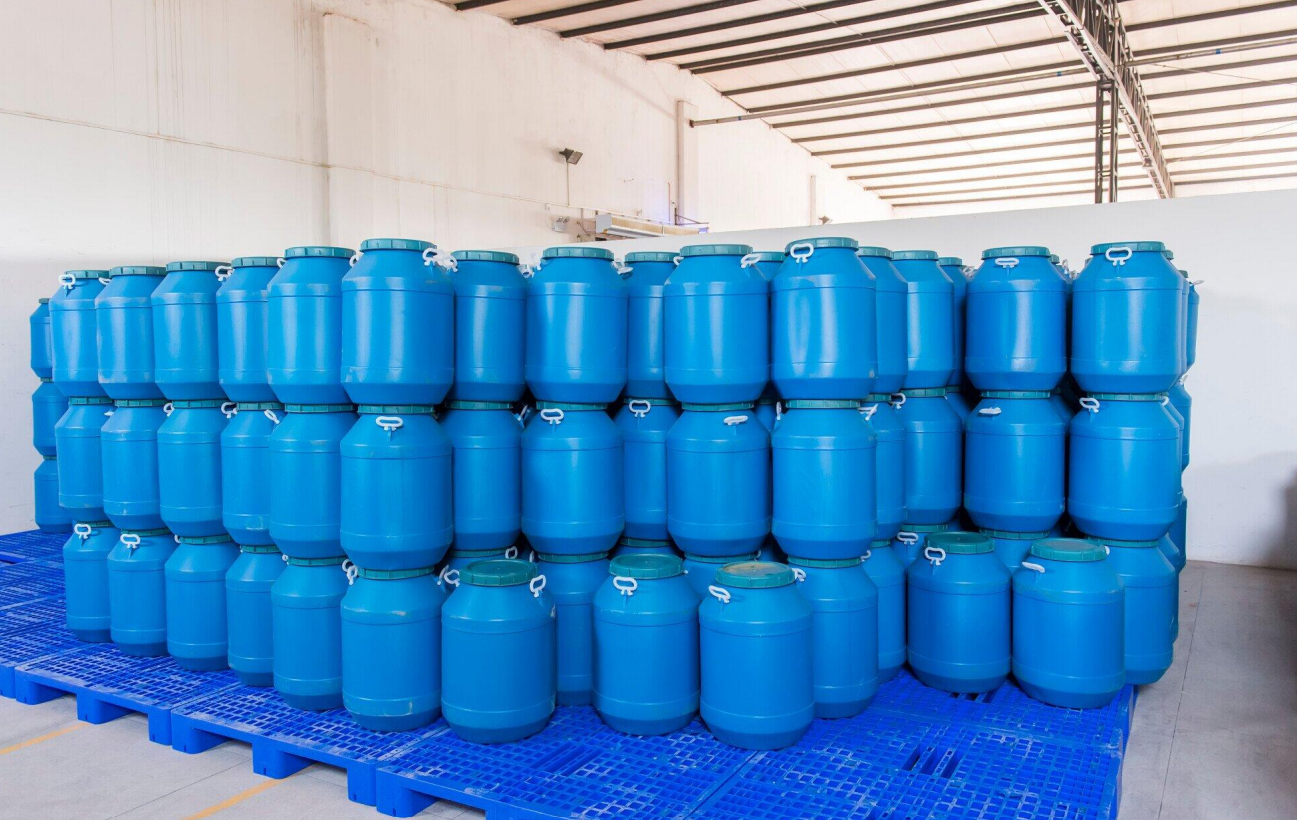
Once the materials are removed, they must be sealed properly. Loose waste can still release harmful particles. Workers place hazardous materials in strong, sealed containers. These containers are designed to prevent leaks or exposure. Clear labels are added to identify the contents.
Proper sealing ensures the waste remains contained during transportation. This step protects workers, transport staff, and the public. Containment is a critical step before the waste leaves the site.
Dispose of Materials at Approved Facilities
Hazardous waste cannot be thrown away like normal garbage. It must be taken to special disposal facilities. These facilities follow strict environmental regulations. They are designed to handle dangerous substances safely. Proper disposal prevents contamination of land and water.
Transportation of hazardous waste also follows strict rules. Only approved vehicles and trained drivers handle these materials. Responsible disposal protects communities and the environment.
Clean and Decontaminate the Area
After the materials are removed, the work area must be cleaned thoroughly. Tiny particles may remain even after the main materials are gone. Special cleaning equipment removes dust and debris. High-efficiency air filters may also be used to clean the air. Surfaces are wiped and sanitized.
This process ensures that no harmful residue remains in the building. The area must meet safety standards before people return. Proper cleaning helps restore a safe and healthy indoor environment.
Conduct Final Inspection and Testing
The final step is another professional inspection. This test confirms that all hazardous materials have been removed successfully. Experts check the air quality and examine the cleaned area. They may collect additional samples for laboratory testing.
A final clearance report is usually provided after testing. This document confirms that the removal process met safety standards. Final inspection provides peace of mind for property owners and occupants.
Learn More About Safe Hazardous Material Removal
Hazardous materials can pose serious risks if they are not handled correctly. Many buildings still contain substances that were once common in construction. Without proper removal, these materials can harm both people and the environment.
Following safe removal steps helps prevent dangerous exposure. Identification, inspection, planning, and professional removal are all essential parts of the process. Proper waste disposal and final testing ensure the building becomes safe again.
Did you enjoy reading this article? If so, then be sure to check out the rest of our blog for more!