Buildings are getting smarter every year. They do much more than provide shelter now. Modern buildings can save energy. They can improve comfort and even respond to changing weather conditions.
That sounds pretty impressive.
The construction industry is changing fast. New technology is showing up everywhere. Architects are thinking differently. Builders are exploring fresh ideas. Property owners are looking for better performance. As a result, smart facades are becoming a huge part of modern building design.
A smart facade is not just a fancy exterior. It works like the building’s skin. It helps control heat. It manages sunlight. It improves airflow. It can even communicate with other building systems.
This is where one must consider metal cladding in Melbourne.
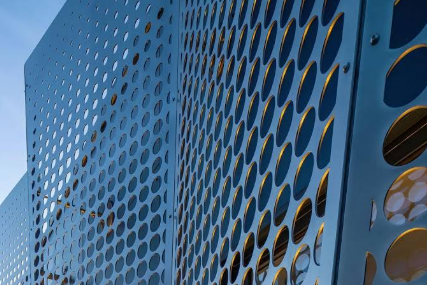
Metal cladding has been around for years. However, it is becoming more important than ever. It offers durability. It looks fantastic. It supports modern technology. Moreover, it fits perfectly into the future of smart buildings.
Let’s take a closer look.
What Exactly Is a Smart Facade?
The term sounds complicated. Thankfully, the concept is quite simple.
A smart facade is a building exterior that reacts to its surroundings. It is designed to improve performance. It helps buildings use less energy. It also makes indoor spaces more comfortable.
Think of it like a smart thermostat. A thermostat adjusts temperature automatically. A smart facade works in a similar way. It responds to sunlight. It reacts to weather changes. It helps maintain a comfortable environment inside.
Some systems use sensors. Others use movable panels. Many include automated shading features. These technologies work together to improve efficiency.
The goal is straightforward.
Use less energy. Improve comfort. Reduce environmental impact.
That combination is hard to ignore.
Why Metal Cladding Still Matters
New technologies appear every year. New materials enter the market regularly. Despite that, metal cladding remains a favourite choice.
There are several good reasons.
First, metal cladding is incredibly durable. Buildings face harsh weather every day. Rain falls. Wind blows. Sunlight beats down constantly. Metal cladding handles these challenges very well.
Second, it looks amazing.
Architects love design flexibility. Metal cladding offers plenty of it. Different finishes create different effects. Various colours add personality. Unique textures bring buildings to life.
The possibilities feel almost endless.
Another advantage involves maintenance. Nobody enjoys expensive repairs. Fortunately, metal cladding requires relatively little upkeep. That saves time. It also saves money.
Moreover, metal is recyclable. Sustainability matters more than ever today. Many developers want greener solutions. Metal cladding supports those goals very effectively.
Buildings Are Becoming Data Collectors
Data is everywhere today.
Businesses use it daily. Cities use it constantly. Buildings are starting to use it too.
Smart facades often include sensors. These sensors gather useful information. They track temperature. They measure humidity. They monitor sunlight levels. They even analyse air quality.
This information helps building managers make smarter decisions.
For example, sensors may notice excessive heat on one side of a building. The system can respond immediately. Shading devices might activate. Ventilation settings could change.
The process happens automatically.
People inside remain comfortable. Energy waste stays low.
Everyone benefits.
Metal cladding supports these systems very well. It provides space for sensors. It protects equipment from harsh conditions. It helps create a reliable building envelope.
Dynamic Designs Are Taking Over
Buildings used to look the same all day. That is changing quickly.
Modern architecture is becoming more dynamic. Buildings can now adapt their appearance. Some facades move. Others light up. Many respond to environmental conditions.
This trend is gaining popularity.
Metal cladding plays a huge role here. The material reflects light beautifully. It works well with movable elements. It supports creative design concepts.
Architects love these possibilities.
A building can look different in the morning. It can appear completely different at night. Lighting effects create drama. Movable panels create motion.
The result feels exciting.
Buildings become experiences rather than simple structures.
Sustainability Remains a Huge Priority
People care about sustainability more than ever. Governments care too. Businesses are paying attention as well.
The construction industry is responding.
Metal cladding supports sustainable building practices in several ways. Many metal products contain recycled content. Most metals can be recycled again after use.
That reduces waste significantly.
Artificial Intelligence Is Changing Everything
Artificial intelligence is influencing almost every industry today. Construction is no exception.
Smart facades are becoming more intelligent. AI helps analyse massive amounts of information. It identifies patterns quickly. It predicts future conditions.
That creates exciting opportunities.
Imagine a building that prepares for weather changes before they happen. The system checks forecasts automatically. It adjusts settings in advance. It optimises performance throughout the day.
That future is closer than many people realise.
Metal cladding supports these innovations effectively. It provides a durable framework for integrated technologies. It helps buildings remain adaptable as technology evolves.
The combination makes a lot of sense.
Challenges Still Exist
No technology is perfect.
Smart facades have some challenges. Initial costs can be higher. Installation can be more complex. Some systems require specialised knowledge.
These factors can slow adoption.
However, the situation is improving.
Technology costs continue to decrease. Industry expertise continues to grow. New solutions are becoming easier to install and maintain.
Long-term savings often justify the investment. Lower energy bills create financial benefits. Improved comfort increases occupant satisfaction. Better performance can boost property value.
Those advantages are difficult to overlook.
The Conclusion
The future of smart facades looks incredibly bright. Buildings are becoming smarter every year. Technology continues to unlock exciting possibilities. Metal cladding will remain an important part of this journey.
From solar integration to artificial intelligence, metal cladding supports the next generation of building design. It helps create structures that are efficient, attractive, and environmentally responsible.
For more information, you can visit Studio Clad.