
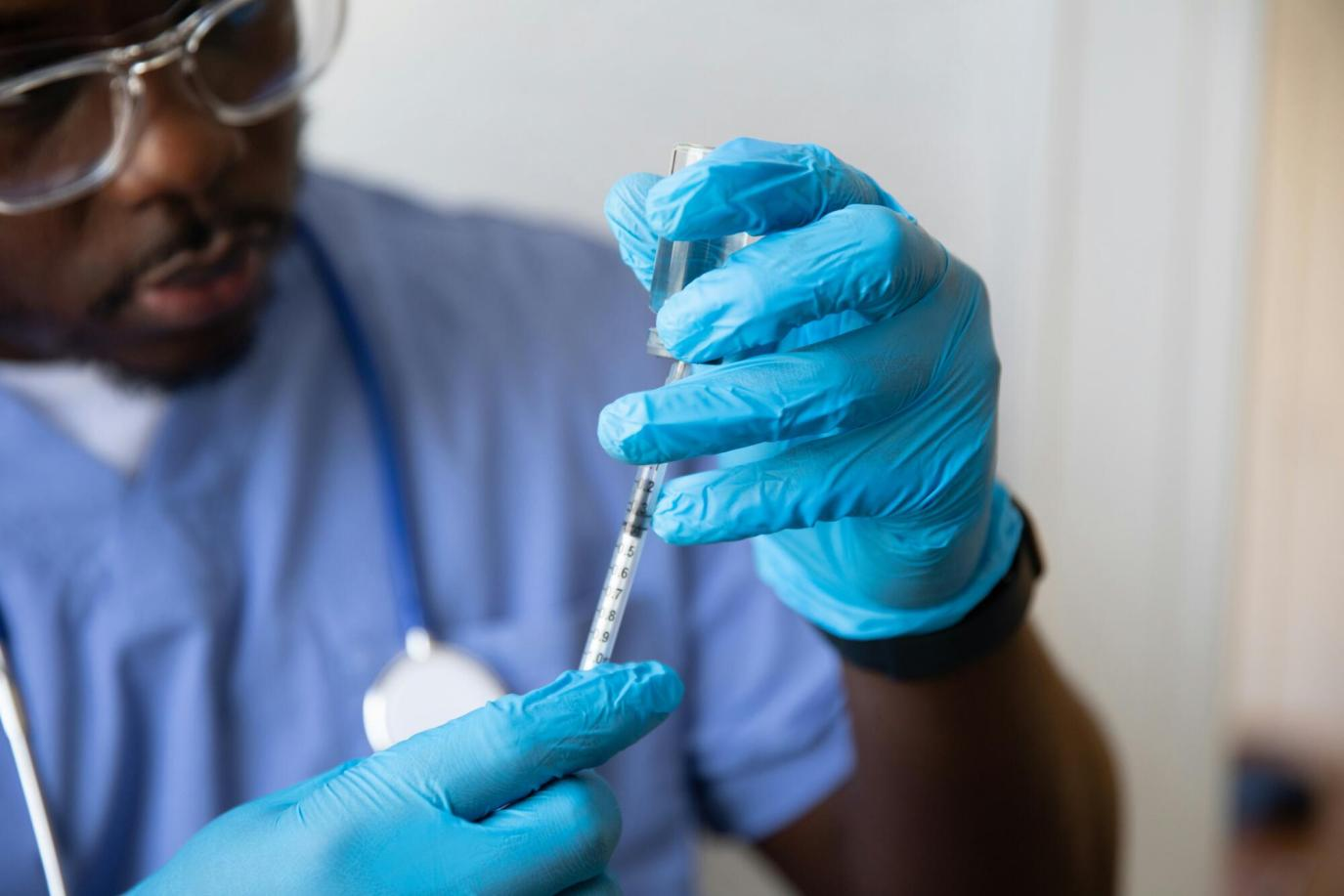
Emergencies can happen anytime, and being ready can save lives. Knowing how to respond to trauma gives you confidence and helps those around you.
Learning simple but effective skills is key. Read on to discover how to prepare for trauma situations and act quickly when it matters most.
Understanding Trauma Situations
Trauma can result from accidents, injuries, or sudden medical emergencies. It can include severe bleeding, broken bones, or head injuries.
Recognizing the signs early helps you act fast. Knowing what to do in different situations reduces panic. Being prepared makes a real difference in outcomes.
Basic First Aid Skills
Learning first aid is the foundation of trauma response. Skills like controlling bleeding, stabilizing fractures, and monitoring vital signs are essential. Practicing these skills regularly ensures you can use them under stress.
First aid training gives confidence and clarity. It also helps prevent complications while waiting for professional help.
Handling Severe Bleeding
Severe bleeding is one of the most dangerous emergencies. Quick action is crucial to prevent serious consequences. Applying pressure, using bandages, and elevating the injured area are common techniques.
Learning proper methods reduces risk for both the injured person and the responder.
Programs like First Aid for Severe Bleeding Certification teach these techniques in detail. You can learn more to ensure you know the steps to take when every second counts.
Responding to Shock
Shock can occur after major trauma or blood loss. Symptoms include pale skin, rapid pulse, and confusion. Keeping the person calm and lying down can help.
Covering them with a blanket and monitoring breathing are simple but important measures. Early recognition and action reduce the risk of life-threatening complications.
Staying Calm and Focused
Remaining calm is essential during any trauma event. Panic can make mistakes more likely. Take a deep breath, assess the situation, and prioritize actions.
Clear thinking improves response speed and effectiveness. Training and practice help maintain calm under pressure.
Preparing Emergency Supplies
Having a well-stocked first aid kit is important for trauma readiness. Include bandages, gloves, antiseptics, and basic tools.
Keep your supplies accessible at home, work, or in your vehicle. Knowing where items are allows you to act quickly without wasting time.
Regular Training and Practice
Skills fade if they are not practiced regularly. Attending training sessions and reviewing procedures helps keep knowledge fresh.
Simulated scenarios give experience in a controlled environment. This preparation builds confidence and reduces hesitation during real emergencies.
Creating a Safety Network
Trauma response is easier with a team. Encourage friends, family, and coworkers to learn first aid. Communicate plans and assign roles during emergencies. A prepared group can respond faster and more effectively than one person alone.
Making Trauma Response a Habit
Readiness is not just about knowledge. It is about turning skills into habits. Regularly checking supplies, reviewing procedures, and practicing drills keep you prepared. Being proactive increases the chances of a positive outcome during a real incident.
Mastering Trauma Response the Right Way
Mastering trauma response is about preparation, practice, and staying calm. By learning key skills, keeping supplies ready, and involving others, you can protect lives and provide crucial help when emergencies occur.
Small steps taken today can make a big difference tomorrow. Stay prepared and confident, because knowing what to do can save lives.
Visit our blog for more!