
Medical centres require daily disinfection, high-touch surface cleaning, waiting room sanitising, and medical waste disposal.
If you’re managing a medical centre, you already know how quickly cleanliness standards slip when cleaning services don’t understand healthcare compliance. This often leads to dirty waiting areas that draw negative attention, increase cross-contamination concerns among staff, and raise risks during regulatory audits.
We’ve worked with medical facilities across Brisbane and Sydney, and we understand the pressure you’re under to maintain a hygienic environment while keeping patient care running smoothly. At Urban Clean, our trained teams specialise in medical centre cleaning that meets infection control standards without disrupting your clinic hours.
In this article, we’ll cover the core cleaning services every medical centre needs and specialised hospital cleaning for clinical spaces. We’ll also explain medical waste disposal requirements and what to expect from professional healthcare cleaners.
Keep reading to see how proper centre cleaning protects your patients.
Medical Centre Cleaning vs Standard Commercial Cleaning: What’s Different?
While medical centre cleaning requires infection control protocols, hospital-grade disinfectants, and compliance with the highest hygiene standards, commercial cleaning just covers basic tidying and surface wiping.
The unique demands of healthcare facilities mean your cleaning team needs specialised training that goes beyond mopping floors and emptying bins. Why? Because healthcare facilities must follow strict infection control standards and protocols that basic workplace cleaning doesn’t require.
Beyond protocols, hospital-grade disinfectants and specialised equipment eliminate pathogens that standard commercial products can’t handle in medical environments. Plus, cleaners must respect patient privacy during work hours, which adds another layer of complexity to the job.
This level of detail separates medical cleaning services from general office cleaning. Your patients and staff rely on a hygienic environment that protects their health every single day.
Core Cleaning Services Every Medical Centre Needs
Daily cleaning services for healthcare facilities cover high-touch disinfection, waiting room sanitising, floor maintenance, and reception area hygiene. Meanwhile, weekly deep cleans tackle carpet steam cleaning, vent maintenance, and fixture descaling.
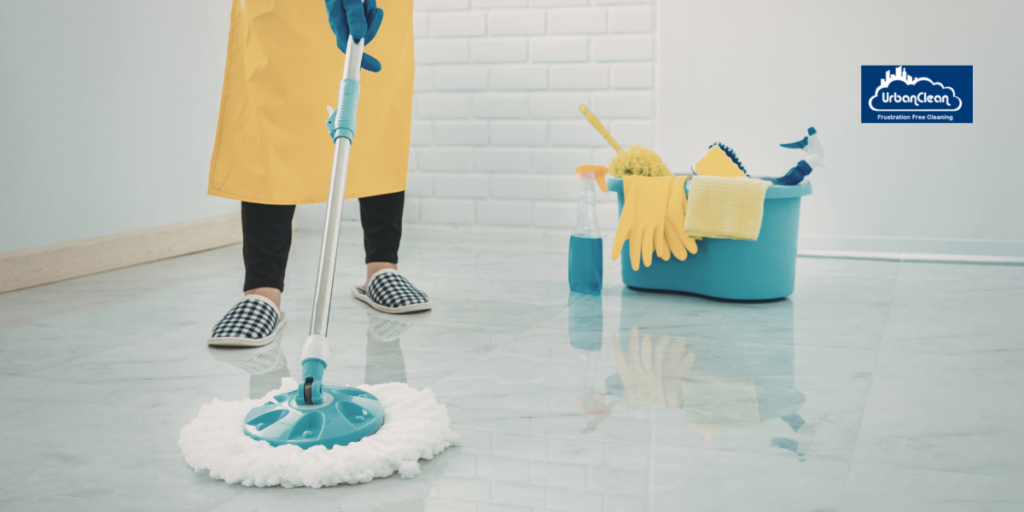
Every medical centre relies on these core tasks, and we’re going to break down exactly what each area needs:
Daily vs Weekly Cleaning Tasks for Medical Centres
| Area | Daily Tasks | Weekly Tasks |
| Reception & Entrance | Vacuum carpets, wipe doors, disinfect counters | Deep clean signage, polish glass doors |
| Waiting Room | Sanitise furniture, spot clean stains | Steam clean upholstery, deep vacuum |
| Consulting Rooms & Treatment Rooms | Disinfect high-touch surfaces, empty bins | Mop & polish floors, clean vents |
| Bathrooms & Staff Areas | Clean toilets, restock supplies, mop floors | Descale fixtures, grout cleaning |
Our experience with healthcare facilities shows that these daily tasks prevent most cross-contamination risks. But you have to maintain consistency across every touchpoint patients encounter throughout the clinic.
Now, let’s look at the specific areas that need the most attention in your medical centre:
Reception Areas & First Impressions
Believe it or not, people form their first impression within seconds of walking through your doors. So if your entrance looks neglected, they notice.
Here’s what makes the difference: reception counters and waiting area surfaces harbour germs from patient contact and need frequent disinfection to maintain a safe environment. That’s why entry doors and glass panels need daily polishing to maintain a professional appearance.
Also, carpets in high-traffic entrance zones collect dirt quickly and require vacuuming multiple times daily.
Waiting Room Furniture & Upholstery Sanitising
How many people sit in your waiting room chairs each day? If you’re seeing 30-50 people daily, that’s hundreds of contact points accumulating on armrests.
Over time, fabric upholstery traps dust mites and allergens that can aggravate respiratory conditions in vulnerable patients. On top of that, stains from spills or bodily fluids stick around if you don’t treat them fast, leading to permanent marks and lingering odours.
Quick Tip: Keep an eye on fabric wear patterns, because these surfaces can become breeding grounds for infection if neglected.
High-Touch Surface Disinfection
Now that waiting areas are sorted, high-touch surfaces throughout your medical centre need the same level of attention. You need to prioritise:
- Blood pressure cuffs and thermometer holders
- Reception desk equipment (like keyboards and phones)
- Patient bed rails and call buttons
- Bathroom fixtures and door handles
- Light switches in consulting rooms
These touchpoints spread infection faster than anything else in your clinic if they’re not disinfected regularly.
Floor Care & Slip Hazard Prevention
Fall and slip-related injuries cost Australian healthcare facilities $2.3 billion annually, and medical centres aren’t immune to these risks. Most of these happen when spills from beverages or bodily fluids create slip risks for patients with mobility issues or balance problems.
That’s why mopping corridors and waiting areas regularly prevents slippery surfaces that could lead to patient falls or injuries. For deeper cleaning, you should steam the carpets to remove embedded dirt and bacteria that vacuuming alone cannot reach deep within the fibres.
Specialised Hospital Cleaning Services for Clinical Spaces
One major benefit of specialised hospital cleaning services is that clinical spaces get sterile protocols that go far beyond standard sanitising.
Because of this, private hospitals, allied health practices, and pathology labs all require trained cleaners who understand hygiene protocols at a deeper level.
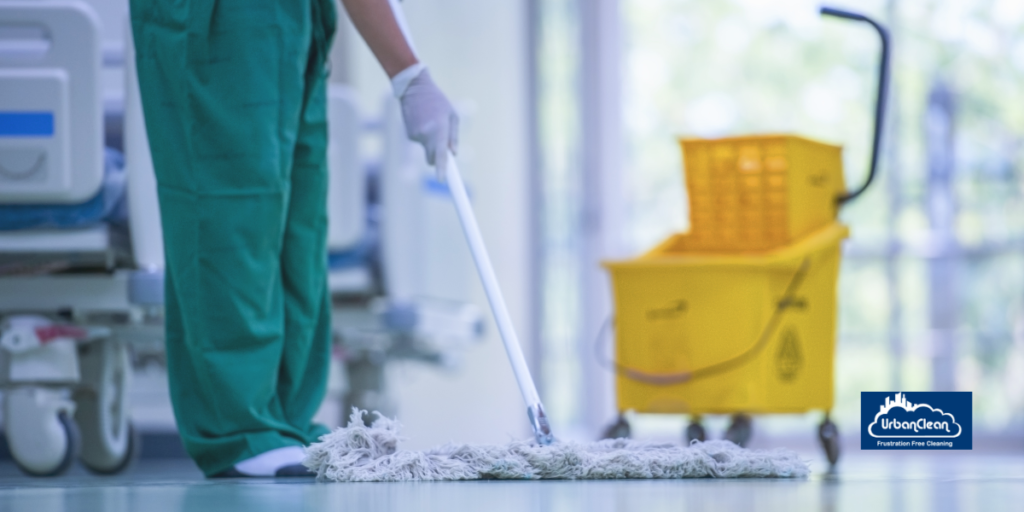
So here’s what separates medical cleaning from basic commercial work:
- Operating Theatres: These rooms require terminal cleaning after procedures using sterile protocols to eliminate all surgical contaminants and pathogens.
- Recovery Rooms: When patients move through recovery rooms, they’re at their most vulnerable. So surface disinfection and equipment sanitising between each patient prevent cross-infection during these critical periods.
- Emergency Departments: While medical staff handle urgent cases, cleaning teams respond rapidly to blood, fluids, and biohazards without disrupting patient care.
Once cleaning teams sanitise clinical areas, there’s another critical piece that medical centres can’t ignore: handling what gets left behind.
Medical Waste & Biohazard Disposal Services
Medical waste disposal handles sharp, contaminated materials, and clinical waste through proper segregation and certified transport to approved facilities. And handling biohazards isn’t something you can leave to general cleaners.
When you work with medical centre cleaning services, they handle sharps disposal, clinical waste collection, and the safe segregation of contaminated materials into colour-coded bins. They also manage clinical waste disposal with full documentation and certified transport to approved facilities for safe incineration.
While these processes might seem straightforward, one missed step can result in serious compliance issues.
Bottom Line: Professional teams with regulatory compliance training protect your centre from fines and keep your staff safe during daily operations.
HVAC & Air Quality Management in Healthcare Facilities
Dust and allergens build up in air vents, then circulate throughout enclosed spaces. This creates poor air quality in medical centres and can trigger respiratory issues for patients who are already vulnerable or dealing with compromised immune systems. But your cleaning services won’t let that happen.
Professional teams replace HVAC filters regularly to prevent airborne bacteria and viruses from spreading between treatment rooms and waiting areas. Also, air purification systems reduce respiratory irritants for those with asthma, allergies, or compromised immune systems.
So when you maintain clean air circulation, you’re actually protecting everyone who walks through your facility doors.
What to Expect from Professional Medical Centre Cleaning Services
Professional medical centre cleaning services provide infection control training, real-time reporting systems, and coordination with clinical staff schedules.
The first thing you’ll notice is the level of training. Cleaners trained in hygiene protocols understand cross-contamination risks and proper disinfection techniques for healthcare settings. Their job involves using the latest technology and equipment while maintaining attention to detail in every task.
Plus, real-time reporting systems provide documentation and transparency for audits and quality assurance requirements. After years of working with medical centres, we’ve seen how proper reporting systems like Janiflow improve compliance audits. Facilities using digital tracking cut their audit preparation time from days to minutes since the system logs and verifies every cleaning task in real time.
Experienced teams also coordinate with medical staff to schedule cleaning around patient hours without disrupting consultations or procedures. Your visitors never see disruptions to their appointments, and your clinic maintains its professional reputation without compromising cleanliness.
Protect Your Patients with Professional Cleaning
Medical centre cleaning protects patient safety and supports quality care through consistent safety measures and regulatory compliance.
High-touch disinfection, medical waste disposal, and air quality management all work together to maintain the hygienic standards your patients expect. The difference comes down to choosing partners who understand healthcare sector demands and work effortlessly around your clinical schedules.
Ready to see how professional medical centre cleaning services can protect your facility? Call us at 1300 787 745 for a free quote, or visit Urban Clean to learn more about our healthcare cleaning solutions.
Your patients deserve to feel safe, and we’re here to make that happen.