
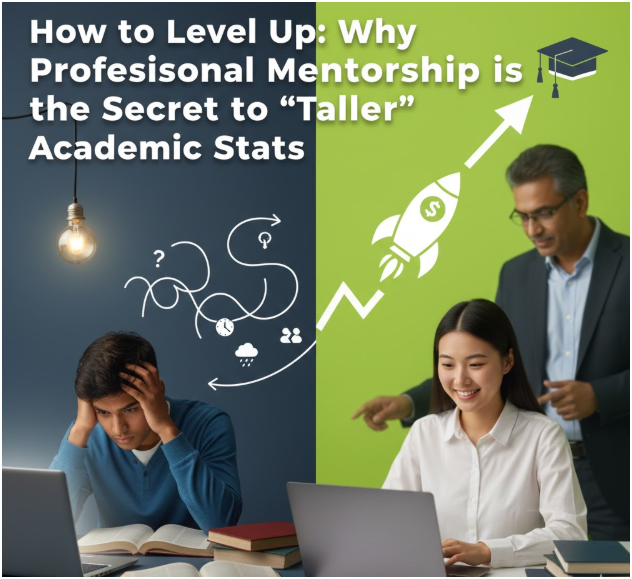
In the rapidly shifting landscape of higher education in 2026, the concept of “growth” has taken on a multi-dimensional meaning. For the modern undergraduate, growth isn’t just about the physical transition from adolescence to adulthood; it is about the expansion of intellectual capacity and the elevation of academic performance. Just as fans visit sites like HeightFact to verify the physical stature of their favorite icons, recruiters and admissions boards look at a student’s “academic stats” to measure their professional height. To stand tall in a crowded global job market, students are increasingly realizing that solo effort is rarely enough. The secret to reaching the peak of one’s potential lies in a strategic, human-centric approach: professional mentorship.
The Evolution of the Academic Growth Spurt
Historically, university life was viewed as a test of endurance. Students were expected to lock themselves in library carrels, fueled by caffeine and sheer willpower, to emerge with a completed thesis. However, the “Lone Wolf” model of education is becoming a relic of the past. In 2026, the sheer volume of information—and the speed at which it changes—means that trying to master every subject in isolation is a recipe for burnout rather than brilliance.
A professional mentor acts as a “growth hormone” for a student’s career. This isn’t just about tutoring; it is about a transfer of wisdom. Mentorship provides a bridge between theoretical classroom concepts and their real-world applications. When a student feels stuck behind a metaphorical wall, a mentor provides the ladder. This proactive approach to learning is why so many high-achieving undergraduates now seek out specialized help assignment online to refine their research methodologies and ensure their work meets the rigorous standards of modern rubrics.
Why “Stature” Matters in 2026
In the digital age, your academic record is your biography. Just as a celebrity’s height is a fixed fact that defines their physical presence, your GPA and your skill set are the “facts” that define your professional presence. But how do you increase that stature?
The answer lies in precision. In 2026, Google’s algorithms and AI-driven recruitment tools are looking for more than just keywords; they are looking for depth, original thought, and technical proficiency. Students who coast by with “average” work find themselves invisible. To be “tall” in the eyes of an algorithm or a hiring manager, your work must demonstrate a level of sophistication that only comes from expert guidance.
The Technical Peak: Mastering Industry Tools
One of the most significant hurdles for business and accounting students today is the integration of complex software into their curriculum. It is no longer enough to understand the principles of double-entry bookkeeping; you must be able to navigate cloud-based ecosystems that manage billions of dollars in real-time transactions.
For instance, platforms that simulate real-world business environments, such as Peerdisco or MYOB, have become the gold standard for testing a student’s readiness for the workforce. These assignments are notoriously difficult because they require a perfect blend of theoretical knowledge and technical “button-pushing” accuracy. When the stakes are this high, general advice isn’t enough. Many students reach their breakthrough moment by utilizing niche support like myob peerdisco assignment help, which allows them to see how a professional would tackle the same complex data sets. This isn’t a shortcut—it’s an apprenticeship in a digital format.
Comparing the “Growth” Paths: Solo vs. Mentored Learning
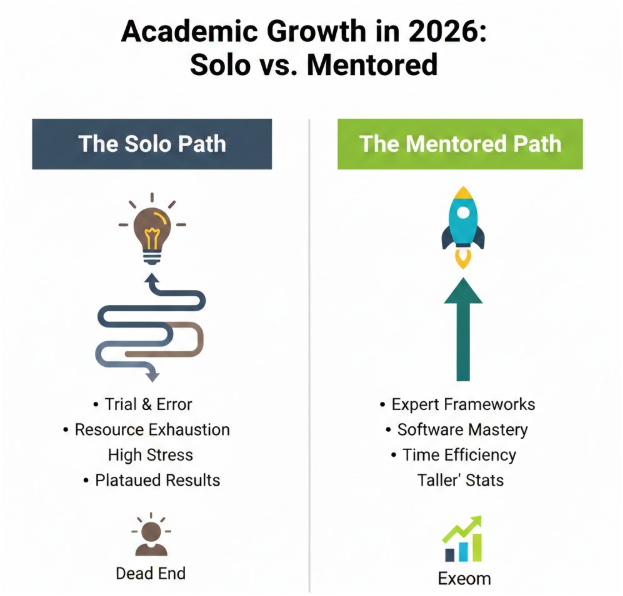
To visualize how mentorship affects a student’s “academic height,” consider the following comparison of two common approaches to university life in 2026:
| Feature | The Solo Approach (Traditional) | The Mentored Approach (Modern) |
| Research Speed | Slow; involves trial and error through unverified sources. | Rapid; uses curated databases and expert-led frameworks. |
| Skill Acquisition | Shallow; focuses on passing the exam only. | Deep; focuses on industry-standard software mastery. |
| Stress Levels | High; constant “imposter syndrome” and looming deadlines. | Managed; clear milestones and professional reassurance. |
| Academic Stature | Average; work often lacks “the professional edge.” | Elevated; work stands out for its precision and depth. |
| Outcome | Degree completion with standard stats. | Career-ready profile with “tall” academic credentials. |
The Architecture of a High-Ranking Student
If we look at the “Height Facts” of successful graduates, we see a consistent structure. They don’t just work harder; they build a better architecture for their education. This architecture consists of three main pillars:
1. Structural Integrity (The Outline)
A tall building needs a deep foundation. Similarly, a high-scoring assignment needs a logical flow. Mentors help students move away from “info-dumping” and toward persuasive storytelling. They teach you how to hook a reader in the first paragraph and lead them inevitably to your conclusion.
2. Technical Precision (The Details)
In 2026, “almost right” is the same as “wrong.” Whether it’s a citation style or a complex calculation in an accounting software, precision is what separates the elites from the crowd. Professional support ensures that the technical details of your work are beyond reproach.
3. Global Tone (The Voice)
As education becomes more globalized, students must write for an international audience. A mentor helps strip away local slang and “filler” words, replacing them with a crisp, authoritative tone that resonates with professors and professionals from London to Sydney to New York.
The Psychology of Reaching New Heights
There is a psychological barrier to seeking mentorship. Many students feel that asking for help is an admission of inadequacy. However, the trend in 2026 is shifting. The most successful students view themselves as “Academic Athletes.”
Does an Olympic sprinter feel “weak” because they have a coach? Of course not. They have a coach because they want to shave a millisecond off their time. In the same vein, seeking professional academic assistance is a sign of high ambition. It shows that you are not satisfied with “good enough” and that you are committed to reaching the maximum “height” of your potential.
Overcoming the “Zero-Click” Challenge
In the world of SEO and Google rankings, we talk about “zero-click” searches—where the user gets the answer without clicking a link. In academics, there is a “zero-thought” trap—where students use AI to generate generic content. To rank at the top of your class, you must avoid this trap.
Mentorship provides the nuance that AI cannot. A mentor can tell you why a certain business strategy failed in a specific historical context, or how a specific accounting error could lead to a legal liability. This human insight is what makes your assignments “rank” higher in the eyes of your professors. It adds the “flavor” and “soul” to the data.
The Long-Term ROI of Academic Stature
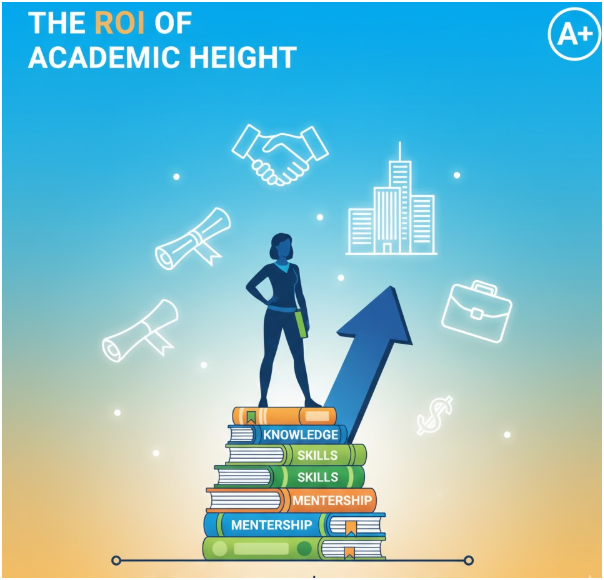
Investing in your academic “height” now pays dividends for decades. A transcript filled with high distinctions isn’t just a piece of paper; it’s a high-value asset. It opens doors to prestigious internships, high-paying starting salaries, and elite graduate programs.
When you look back at your biography years from now, you won’t remember the hours you spent struggling with a confusing software interface. You will remember the moment you decided to “level up” and seek the expertise that allowed you to master it. You will remember the mentors who helped you stand a little taller when the weight of your workload felt heavy.
Final Thoughts: Your Journey to the Top
Academic success in 2026 is not about being the smartest person in the room; it’s about being the person with the best resources and the most discipline. By aligning yourself with professional mentors and specialized support services, you are taking control of your narrative.